Background · winter tourism
Ski holidays in transition: What is changing in winter tourism
Guaranteed snow, energy, costs and new travel habits are changing the classic ski holiday. Many places are responding with snowmaking, higher altitudes, shorter booking windows and offers beyond the slopes.
Key facts
- Snow reliability is becoming a central planning issue in many winter destinations.
- Artificial snow can help individual slopes, but it does not remove weather, cost and energy questions.
- Many destinations are broadening winter offers beyond classic skiing.
- Travellers should check altitude, season, cancellation terms and alternatives before booking.
- Flexible planning is becoming more important as costs and weather patterns change.
Snow reliability is becoming central to winter-trip planning
The classic ski holiday is first changing due to the question of how reliable snow still is. The Federal Environment Agency describes a significant decline in snow reliability in winter sports areas for low mountain ranges and lower Alpine areas. For many places, this means that the start of the season, the length of the season and the quality of individual slopes are becoming more difficult to plan.
Higher ski areas remain at an advantage, but weather windows are becoming more important there too. Precipitation, temperature, wind, avalanche conditions and short-term warm periods have a greater impact on how well a trip works. For holidaymakers, the specific location is more important than the general name of a ski area.
Snowmaking does not solve every problem
Technical snowmaking has become an important tool for many winter sports resorts. It can stabilize slopes and help companies better secure bookings. At the same time, it remains dependent on cold windows and resources. Water, energy, storage ponds, pipes and slope maintenance are part of the infrastructure that must be planned, paid for and operated.
This shifts the debate: it is no longer just about whether an area can make snow, but rather how sensible the effort is at the respective location. At lower altitudes the calculation can become more difficult if cold spells are less frequent or shorter.
Costs and booking behavior are changing the market
Ski holidays are often expensive: accommodation, ski pass, equipment, ski school, travel and meals add up quickly. When snow conditions become more uncertain, many travelers book more cautiously or at shorter notice. Flexible cancellation conditions, weather-dependent decisions and short stays are becoming increasingly important.
The journey also becomes more of a part of the decision. Those who can travel to well-developed places by train or bus plan differently than travelers who rely on a car, snow chains, parking spaces and weather risks on the road. Climate-friendly mobility will therefore not only be an image issue for winter resorts, but also a practical location factor.
Winter holidays are becoming broader than skiing alone
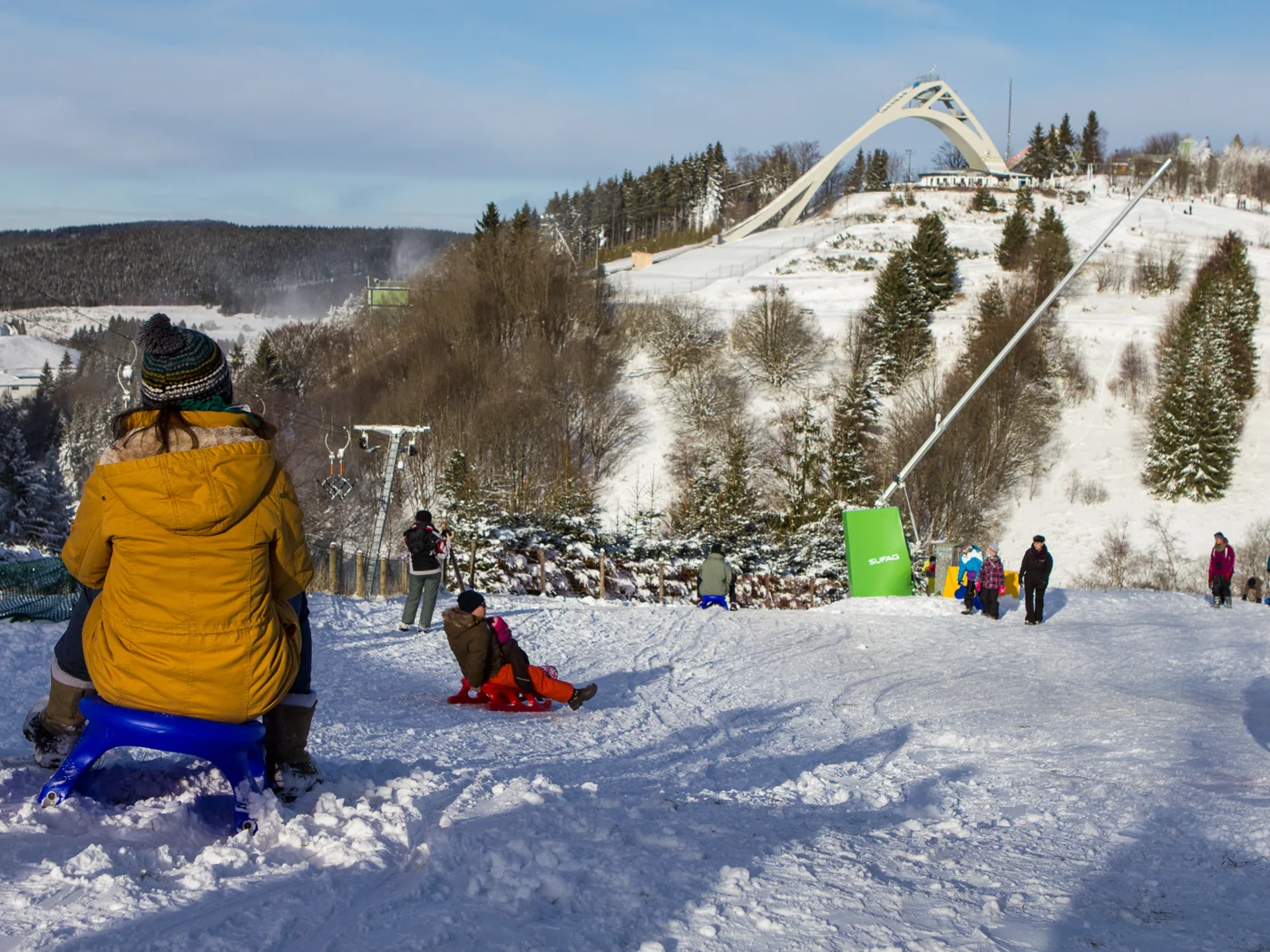
Many places no longer focus exclusively on alpine skiing. Winter hiking, tobogganing, cross-country skiing, snowshoeing, thermal baths, culinary delights, cultural offerings and quiet nature experiences complement the skiing. This makes your stay less dependent on individual kilometers of slopes.
This development can make vacations easier for families, beginners and travelers without a sporting focus. A location that works even when the snow conditions change offers more alternative options and reduces the pressure of having to hit the slopes every day.
What becomes more important when planning
Before booking, it is worth checking altitude, slope options, snowmaking, cancellation conditions, arrival and alternative activities. Advertising images with snow are less useful than current information about open terrain, weather and local services.
Travellers arriving by train or flight should also consider winter weather and possible disruptions; the guide strike at train or airline helps with that preparation.
A ski holiday becomes more robust when the area offers several activities, travel and accommodation stay reasonably flexible and families or beginners do not depend entirely on perfect slope days. If the trip has already been booked as a package, cancelling a package holiday helps sort the documents before making a decision.
Sources
The classification is based on information from German Environment Agency information on tourism as well as the Copernicus classification of snow and glaciers in Europe.
Plan winter holidays with more fallback options
If snow conditions, travel and costs become less predictable, it is worth planning with several options. These include accessible locations, activities away from the slopes and clear cancellation conditions.
Useful additions are planning a winter vacation without your own car, train journey instead of flight and travel outside peak season.