News · Background
Georgia relies on slow travel between the Caucasus and wine culture
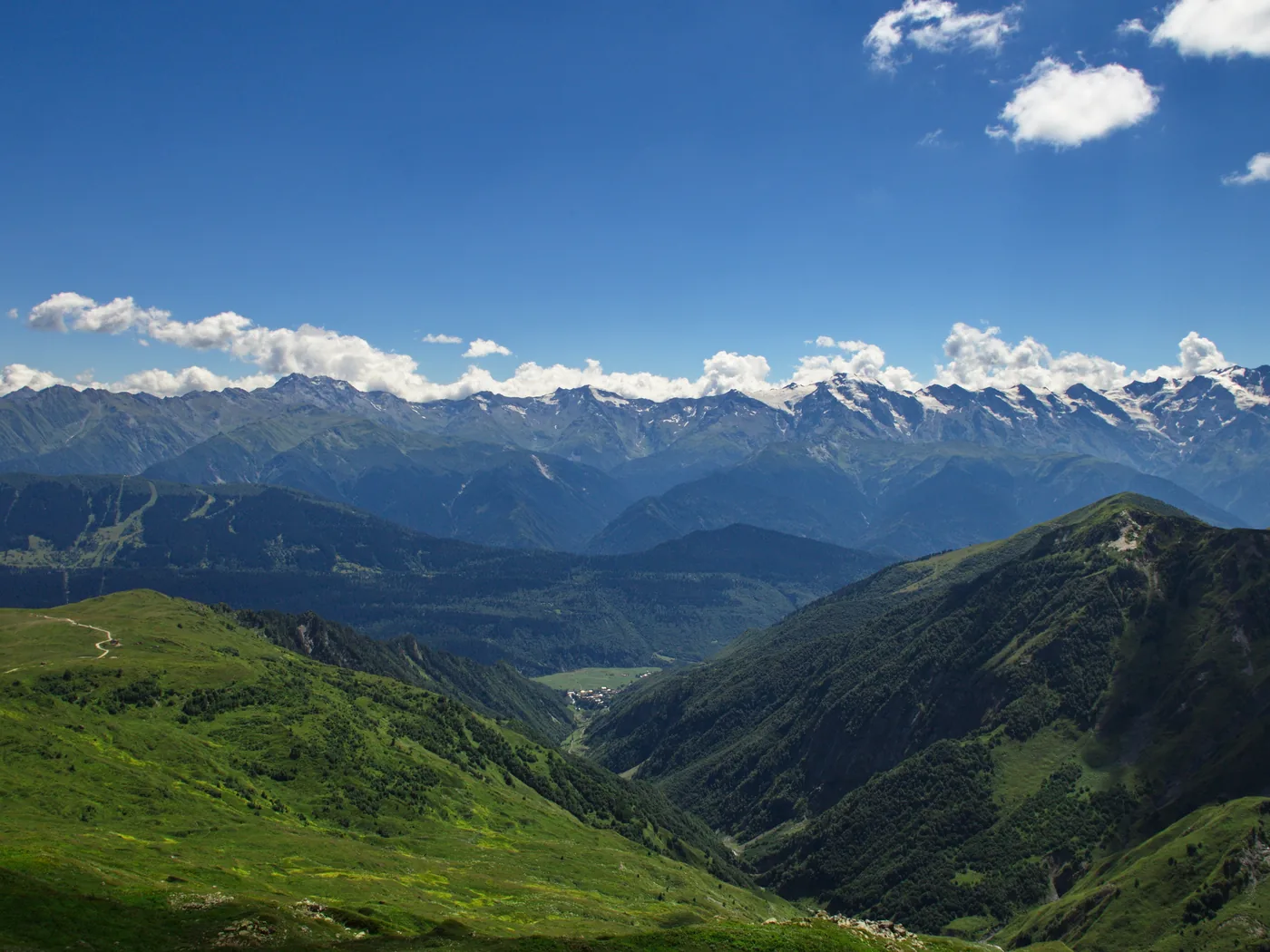
Georgia is placing deceleration, nature experiences, personal encounters and regional value creation more at the center of its tourism. The profile is particularly characterized by mountain regions, national parks and the wine tradition.
Key facts
- Georgia is positioning itself more as a destination for slow, conscious travel.
- The focus is on nature, regional encounters, hospitality and more sustainable tourism development.
- Svaneti, Tusheti and national parks such as Borjomi-Kharagauli and Lagodekhi represent trips with more time.
- The Georgian wine tradition goes back more than 8,000 years.
- Qvevri winemaking is recognized as an intangible cultural heritage by UNESCO.
Tourism with more time
Georgia wants to make a stronger name for itself as a destination for slow travel. Instead of quick tours covering as many stops as possible, the focus is on longer stays, on-site encounters and a more conscious approach to the landscape and culture.
The approach suits a country that combines high mountains, wine regions, Black Sea coasts and national parks in a comparatively small area. Those who travel more slowly can perceive individual regions more precisely and do not have to treat them as just short stops on a route. When preparing, it is also important to plan your journey and changes realistically; An overview helps in the event of short-term disruptions Strike at train or airline.
Mountain regions and national parks
This approach is particularly evident in remote mountainous regions such as Svaneti or Tusheti. Multi-day hikes, simple guesthouses and local guides can help keep revenue in the regions. It also offers an overview of Georgia, Tbilisi, Caucasus landscapes and wine tradition Poezdka.de.
National parks such as Borjomi-Kharagauli and Lagodekhi also represent a quieter form of travel. Experience of nature, time and consideration for the environment and local structures are more closely linked than with highly condensed short programs.
Hospitality as part of the journey
Hospitality in Georgia is closely linked to everyday life, food and conversation. Encounters often occur more directly in small accommodations, family businesses and rural regions than in standardized travel formats.
An example of this is the Supra, the traditional Georgian feast. Food, community and rituals make it a social experience in which exchange and togetherness are the focus.
Wine and cuisine
Georgia is considered one of the oldest wine regions in the world. The winemaking tradition goes back more than 8,000 years. The production in Qvevris, clay amphorae buried in the ground, is particularly well known.
This method is recognized as an intangible cultural heritage by UNESCO. In small family wineries, wine is not only tasted, but also experienced as a combination of agriculture, craftsmanship and culture.
The kitchen also follows this pattern. Local ingredients, herbs, walnuts, cheese and fresh vegetables make meals part of the travel experience, not just sustenance along the way.
Context
Georgia therefore stands for tourism development that places greater emphasis on quality, regional value creation and the experience of nature. The country is not a classic mass destination in Europe and can therefore benefit from cautious growth. The article also asks similar questions about experiencing nature, provider transparency and the burden on sensitive spaces Walbeobachtung in San Francisco.
It remains crucial that traveling to sensitive mountain regions, national parks and villages does not itself create new pressure. Slow travel only works if stays, routes and offers are planned in such a way that local structures are strengthened and natureal spaces are protected.
Source
Media release from AVIAREPS Tourism for the Georgian National Tourism Administration, June 2026.
Be prepared to travel slower
Slow travel works best when fewer stops are deliberately selected and there is enough time on site. If you want to apply this approach to other trips, you will find points of reference in Plan nature and adventure trips responsibly, Travel outside of peak season and the Pre-trip checklist.