Family travel · Baltic Sea
Family holiday on the German Baltic Sea: what really works
Short distances, suitable accommodation and realistic wet-weather plans make a Baltic coast family holiday much easier.
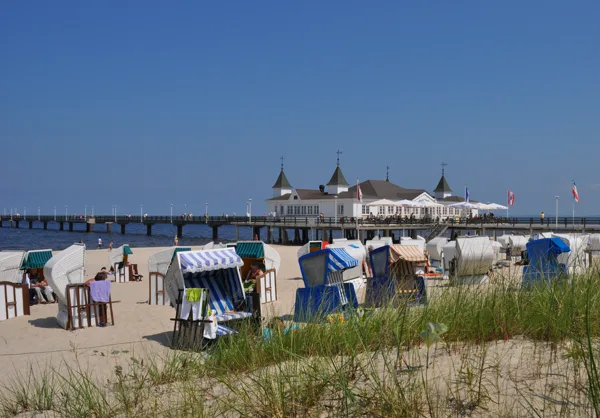
Key facts
- The German Baltic coast works best when short distances, beach access and a flexible daily rhythm matter more than a packed itinerary.
- Different stretches of coast offer different mixes of promenade, transport links, family accommodation and quiet areas.
- With children, the most useful location is often the one where beach, food, shopping and a rain-proof fallback stay close together.
- In school-holiday periods, a less famous resort can feel easier to manage than a better-known hotspot.
A family holiday on the German Baltic Sea is usually easiest in a place where the day does not depend on long transfers. Many families are happier with a short walk to the beach, a bakery around the corner and at least one easy plan for a changeable-weather day, whether that is a harbour stroll, an indoor pool or a relaxed lunch stop.
The official tourism sites for Schleswig-Holstein and Mecklenburg-Vorpommern are a useful starting point when you want to compare the coast, the resort structure and the feel of different areas. For families, the useful questions are practical ones: Can we get there without stress, can we move around easily once we arrive, and will the place still feel manageable with children, luggage and a possible weather change?
What families should check first
Location matters more than almost anything else. A holiday apartment near the beach and a supermarket can be more comfortable than a larger park far from the centre. Families with younger children often benefit from short distances and a layout that makes meals, beach time and quiet breaks easy to combine.
It also helps to be realistic about the type of coast town you want. Some places are built around a busy promenade and lots of activity, while others are calmer and better suited to swimming, walking and a slower daily rhythm. If you want more peace, the less famous resorts are often the better fit.
When to travel
The Baltic Sea is not a guaranteed-bathing-weather destination. That makes travel timing more important than it first seems. Early summer or late summer can work well for families who prefer a calmer atmosphere and less pressure on the day.
In the peak holiday season, beaches and resorts can fill up quickly. If you travel then, book accommodation and transport early. If you have more flexibility, outside the busiest school-holiday peaks often feels noticeably easier.
Getting there without friction
For some Baltic Sea trips, rail plus a local bike or short taxi transfer is simpler than bringing a car all the way. Families with a lot of luggage should check the final approach carefully so arrival day does not turn into the hardest part of the trip.
If you drive, think through the practical details before you leave: where to park, how far the walk is to the accommodation, and what you can do on foot the first evening. The fewer steps the first day requires, the easier the holiday usually starts.
What really makes the difference
The best Baltic Sea family holiday is not always the most famous resort. The winning combination is usually a sensible location, a relaxed pace, the right accommodation and enough everyday convenience to keep the mood light.
If you are still choosing between coast, apartment and travel mode, it helps to combine this topic with guidance on family travel, off-peak travel and train versus flight. For shorter European breaks, an unhurried start is often more valuable than the biggest name on the map.